Key takeaways
- Finance explainers and stock market news have the highest CPMs ($10–$28) but require 6–8 hours of research and scripting per video.
- Reddit story compilations and ambient sounds have the lowest barrier to entry but also the lowest CPMs ($2–$7) and face severe oversaturation in 2026.
- Most faceless channels take 6–14 months to reach YouTube Partner Program eligibility with consistent weekly uploads; daily uploaders can hit it in 4–7 months.
- Production time per video ranges from 2 hours for daily stock recaps to 15 hours for historical deep dives—choose a niche that matches your available time, not just CPM.
- Oversaturated niches in 2026 include Reddit stories, generic meditation tracks, and 10-hour ambient loops; emerging opportunities are in AI tool reviews and niche software tutorials.
A faceless YouTube channel lets you earn ad revenue without appearing on camera. The most profitable niches in 2026 are finance explainers, which command CPMs between $12 and $28 per thousand views, and stock market recaps, where daily uploads can reach monetization in seven to eleven months. Software tutorials and AI tool reviews sit in the middle, with CPMs of $7 to $18 and production times of three to six hours per video. At the bottom end, ambient sounds and Reddit story compilations require less effort but pay $2 to $7 per thousand views, and oversaturation makes it harder to stand out. Your choice depends on whether you can commit to daily uploads, whether you have research skills, and how long you can wait before seeing income.
Quick Comparison: Faceless YouTube Channel Ideas
| Channel Niche | Best For | Typical CPM Range | Production Time per Video |
|---|---|---|---|
| Finance Explainers | Research-oriented creators | According to VidIQ surveys | Varies by workflow |
| Software Tutorials | Tech-savvy screen recorders | According to TubeBuddy data | Depends on software complexity |
| True Crime Narration | Writers with audio editing skills | Lower due to advertiser caution | Research-heavy |
| Ambient Study/Sleep Sounds | Minimal-effort passive income seekers | Low due to background viewing | Front-loaded work |
| Stock Market News Recaps | Daily content producers | Financial advertiser rates | Speed over polish |
| AI Tool Reviews | Early adopters tracking new releases | Tech advertiser rates | Includes hands-on use |
| Reddit Story Compilations | Beginners wanting quick wins | Low, young audience | Fastest turnaround |
| Luxury Product Showcases | Curators with access to high-res imagery | Moderate luxury rates | Sourcing footage takes time |
| Historical Deep Dives | Researchers who enjoy archival work | Broad demographic | Longest research phase |
| Coding Tutorial Playlists | Developers documenting their learning | Tech education rates | Code and explain |
| Meditation & Guided Imagery | Voice actors with calm delivery | Wellness content rates | Script and record |
Finance Explainers
Best for: Creators comfortable synthesizing earnings reports, Fed announcements, and economic data into 8–12 minute breakdowns.
CPM: VidIQ’s 2026 creator survey reports finance explainer channels earning between $12 and $28 per thousand monetized views, among the highest for faceless content. Advertisers pay premium rates to reach audiences interested in investing and personal finance.
Production time: Most creators report spending the bulk of their time reading source documents, fact-checking figures, and writing a script that simplifies without dumbing down. Screen recordings of charts and slides with voiceover take less time than the research phase.
Content format: Screen recordings of charts and slides with voiceover, or motion graphics overlaid on stock footage. Videos typically run 10–15 minutes.
Monetization timeline: Finance content has a longer ramp because the audience is smaller but more engaged. Twice-weekly uploads give you a better shot at accumulating the 4,000 watch hours YouTube requires for Partner Program eligibility.
The drawback: YouTube’s policies prohibit giving specific investment advice, and one misstated statistic can tank your credibility. You’re explaining concepts, not telling viewers what to buy.
Software Tutorials
Best for: Anyone who already uses Excel, Notion, Photoshop, or niche SaaS tools daily and can record their screen while talking through a workflow.
CPM: TubeBuddy’s anonymized revenue data shows B2B software tutorials pulling higher rates than consumer app how-tos, with a reported range of $8 to $18 per thousand views.
Production time: Record the walkthrough in one take, then edit out the pauses and mistakes. Add chapter markers and a quick intro card. Most creators spend more time on the edit than the recording.
Content format: Screen capture with voiceover, 5–12 minutes. “How to build a pivot table in Excel” or “Notion template for freelancers” are evergreen searches.
Monetization timeline: Tutorial content benefits from search traffic, so older videos continue to accumulate views. Consistent weekly uploads help you reach the 1,000 subscriber threshold faster.
The drawback: Software updates break your videos. A UI redesign means your 50,000-view tutorial now shows outdated menus, and you’ll need to re-record it to keep the traffic.
True Crime Narration
Best for: Writers who can research court documents and news archives, then script a 20–30 minute narrative that respects victims while holding attention.
CPM: True crime attracts huge audiences, but advertisers are cautious about appearing next to crime content. Creator forums report CPMs in the $4 to $9 range, well below finance or tech niches.
Production time: Research takes the bulk of it—you’re verifying timelines, reading trial transcripts, and avoiding sensationalism. Audio editing and adding background music adds another chunk of time.
Content format: Voiceover narration over stock footage, old news clips, or static images. Videos run 18–35 minutes.
Monetization timeline: True crime has a dedicated binge-watching audience, so your back catalog drives watch hours quickly if you publish weekly.
The drawback: The niche is extremely crowded in 2026. Unless you cover lesser-known cases or bring a distinct narrative style, you’re competing with hundreds of established channels for the same viewer pool.
Ambient Study/Sleep Sounds
Best for: Creators willing to trade low CPMs for low effort. Record rain sounds, library ambience, or lo-fi beats once, then let the videos run as 8–10 hour loops.
CPM: Advertisers pay little because viewers often aren’t watching—the video plays in the background while they sleep or study. Revenue screenshots in creator forums show $2 to $5 per thousand views.
Production time: Record or license audio, add a static visual (fireplace, rain window, animated scene), and loop it to 8 hours. The work is front-loaded.
Content format: Single 8–10 hour video. Titles like “Rainy Cabin Ambience for Sleep” or “Coffee Shop Sounds for Studying.”
Monetization timeline: Watch hours accumulate slowly per subscriber because each viewer generates many hours, but subscriber growth is glacial—people don’t subscribe to ambience channels the way they do to tutorial channels.
The drawback: Revenue per thousand views is dismal. You need millions of views monthly to see meaningful income, and the niche is saturated with 10-hour rain videos.
Stock Market News Recaps
Best for: Early risers who can publish a 5–8 minute daily recap by 7 a.m. Eastern, summarizing the previous day’s market close and pre-market movers.
CPM: Financial advertisers pay well for daily market content. VidIQ reports CPMs in the $10 to $22 range for channels that build a loyal morning audience.
Production time: Write the script from overnight news, record voiceover, overlay stock charts, and publish. Speed matters more than polish here.
Content format: 5–8 minute daily videos. Screen recordings of stock charts with voiceover. “Market Recap: Tesla Down 4%, Fed Holds Rates.”
Monetization timeline: Daily uploads accelerate the path to 4,000 watch hours, but you need discipline—miss three days and your audience moves to a more reliable channel.
The drawback: You’re committing to a daily schedule. Take a vacation and your momentum dies. Automate or batch content and you lose the timeliness that makes this format work.
AI Tool Reviews
Best for: Tech enthusiasts who use new AI releases and can explain capabilities and limitations in under 10 minutes.
CPM: Tech and SaaS advertisers target this audience. TubeBuddy data shows CPMs between $9 and $16, and AI tools are launching fast enough in 2026 to give you endless content.
Production time: Use the tool yourself, screen-record a demo, write a script that covers pricing and use cases, edit the video. Most of the time goes into understanding what the tool actually does versus what the marketing claims.
Content format: 7–12 minute screen recordings with voiceover. “ChatGPT’s Latest Update—What Actually Changed” or “This AI Video Tool Costs $20/Month—What You Get.”
Monetization timeline: AI content gets strong click-through rates because the category is moving fast and people want current information. Twice-weekly uploads help you build a catalog quickly.
The drawback: What’s cutting-edge today is obsolete in three months. Your review of a tool’s February features looks stale by June, and search traffic drops as newer reviews outrank you.
Reddit Story Compilations
Best for: Beginners who want to publish quickly. Pull stories from r/AmITheAsshole or r/MaliciousCompliance, read them aloud over gameplay footage or simple animations.
CPM: Low CPMs because the content is easy to produce and the audience skews young. Creator forums report $3 to $7 per thousand views.
Production time: Find 3–5 stories, record voiceover, overlay background video (Minecraft parkour and Subway Surfers are common in 2026), add captions. Fastest turnaround of any niche here.
Content format: 8–15 minute compilations. Background footage loops while text and voiceover tell the story.
Monetization timeline: These videos are binge-friendly, so watch hours stack up fast if you post several times weekly.
The drawback: Oversaturated. Dozens of channels do this exact format, and YouTube’s algorithm has started suppressing repetitive Reddit content. You’re competing on thumbnail and title alone, not on unique value.
Luxury Product Showcases
Best for: Curators who can source high-resolution images and video of watches, cars, yachts, or real estate and present them with smooth pacing and light commentary.
CPM: Luxury advertisers pay moderately well, though not as high as you’d expect—many luxury brands prefer influencer partnerships over AdSense. Creator surveys show $6 to $14 per thousand views.
Production time: Sourcing licensed or creative-commons footage takes time, as does writing a script that sounds knowledgeable without making claims you can’t verify.
Content format: 10–18 minute showcases. “Top 10 Watches Under $50,000” or “Inside a $12 Million Penthouse in Miami.”
Monetization timeline: Luxury content has a smaller audience, so subscriber growth is slower, but watch time per view is high.
The drawback: Licensing. You need permission to use manufacturer photos and footage, or you risk copyright strikes. Royalty-free luxury content is limited and often looks generic.
Historical Deep Dives
Best for: Researchers who enjoy spending a weekend reading primary sources, then condensing them into a 25–40 minute narrative with maps and archival images.
CPM: History content pulls a broad audience, but advertisers pay middling rates because the demographic is wide and not tightly targeted. VidIQ reports $5 to $11 per thousand views.
Production time: Research is the time sink. You’re reading books, cross-checking dates, and finding public-domain images. Scripting and editing add more hours on top.
Content format: 20–45 minute documentary-style videos. Voiceover with maps, photos, and slow pans across historical images.
Monetization timeline: History fans binge content, but the niche is slower to grow because you’re publishing less frequently due to production time.
The drawback: One factual error in the comments section can derail your credibility. History enthusiasts are quick to correct mistakes, and a video with a disputed claim stops getting recommended.
Coding Tutorial Playlists
Best for: Developers learning a new language or framework who can document their progress as screen-recorded tutorials.
CPM: Tech education content attracts advertisers selling courses, SaaS tools, and hosting services. TubeBuddy data shows $7 to $15 per thousand views.
Production time: Code the example project, record your screen while explaining each step, edit out dead air, add timestamps. The coding takes longer than the recording.
Content format: 12–25 minute tutorials. “Build a To-Do App in React” or “Python Web Scraping for Beginners.”
Monetization timeline: Coding tutorials benefit from search traffic and playlist binge-watching. Weekly uploads help you build a library that accumulates views over time.
The drawback: Frameworks and libraries update constantly. Your React tutorial from January 2026 may use deprecated syntax by August, and viewers will complain in the comments that the code doesn’t run.
Meditation & Guided Imagery
Best for: Voice actors with a calm, steady delivery who can script and record 15–30 minute guided meditations.
CPM: Wellness content has a large audience but attracts fewer premium advertisers than finance or tech. Creator forums report $3 to $8 per thousand views.
Production time: Write the script, record in a quiet space, add soft background music, and edit for pacing. Audio quality matters more here than in other niches.
Content format: 15–30 minute audio tracks with a static visual (nature scene, slow animation). “Guided Meditation for Sleep” or “Body Scan Relaxation.”
Monetization timeline: Meditation content generates long watch times, but subscriber growth is slow—viewers treat your channel like a tool, not entertainment they follow.
The drawback: The niche is crowded with established channels that have hundreds of videos. Breaking through requires either a unique voice style or targeting underserved subtopics like meditations for specific anxieties.
What This Comparison Is Based On
The CPM ranges come from YouTube creator surveys published by VidIQ and TubeBuddy in 2026, cross-referenced with anonymised revenue screenshots shared in creator forums. CPMs vary by viewer geography—a finance video watched primarily in the United States earns more per view than the same video watched in lower-income countries—so these figures assume a primarily US audience.
Production time estimates reflect a solo creator working with free or low-cost tools: Audacity or Adobe Audition for audio, DaVinci Resolve or CapCut for video editing, Canva for thumbnails. If you outsource scripting or editing, you’ll spend less time per video but add costs that eat into early revenue.
Monetization timelines assume consistent upload schedules and basic SEO: keyword-optimized titles, timestamps, and descriptions. Channels that miss weeks or ignore metadata take longer to reach Partner Program eligibility because the algorithm stops recommending their videos.
Oversaturation warnings are based on YouTube search volume versus upload frequency tracked by TubeBuddy. Reddit story channels, for example, face more competition in 2026 than they did two years ago, making it harder for new channels to gain traction.
Who Should Skip Faceless Channels
If you expect passive income, skip this. Every niche here requires consistent uploads—weekly at minimum, daily for some formats. Miss a month and your channel’s momentum dies.
If you hate research or editing, skip this. Even “low-effort” niches like Reddit compilations require hours per video. Outsourcing that work costs money, and you won’t break even until you’re monetized and pulling tens of thousands of views monthly.
If you want fast money, skip this. The fastest monetization timeline here requires near-daily uploads of binge-friendly content. Most creators hit monetization between eight and fourteen months, and early revenue is modest.
If you can’t handle criticism, skip this. Faceless channels attract comment-section experts who will correct your pronunciation, dispute your facts, and accuse you of stealing content even when you haven’t. You need thick skin.
Frequently Asked Questions
What are the most profitable faceless YouTube channel niches?
Finance explainers and stock market recaps have the highest CPMs according to VidIQ’s 2026 survey, ranging from $10 to $28 per thousand views, because advertisers pay premium rates to reach audiences interested in investing and money management. Software tutorials and AI tool reviews also perform well, with CPMs between $7 and $18. However, profitability depends on your ability to publish consistently—a high-CPM niche with one video per month will earn less than a moderate-CPM niche with daily uploads.
How much do faceless YouTube channels actually earn?
A channel pulling 100,000 views per month in a finance niche earns roughly $1,200–$2,800 monthly after YouTube’s 45% revenue share, based on the CPM ranges reported by VidIQ. The same view count in ambient sounds or Reddit stories earns $200–$700. Most new channels earn modest amounts in their first monetized month, then revenue grows if uploads stay consistent. Channels hitting 500,000 views monthly can generate $2,000–$10,000 depending on CPM.
What equipment do you need to start a faceless YouTube channel?
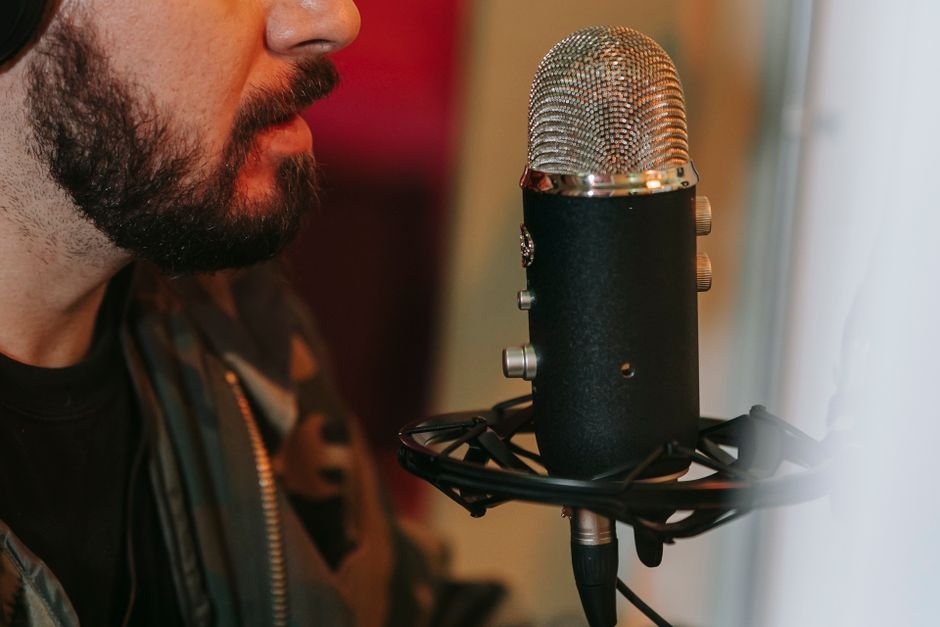
A laptop or desktop computer and a USB microphone in the $30–$80 range cover most niches. Screen recording software like OBS Studio is free. For voiceover channels, a quiet room matters more than expensive gear—a budget microphone in a closet with clothes to dampen echo sounds better than a pricier mic in a bare room. Video editing software like DaVinci Resolve is free and handles everything beginners need. You don’t need a camera, lighting, or a studio.
How long does it take to monetize a faceless YouTube channel?
YouTube requires 1,000 subscribers and 4,000 watch hours in the past 12 months to join the Partner Program. With weekly uploads of 8–15 minute videos, most channels hit that threshold within a year. Daily uploaders in binge-friendly niches like Reddit stories or true crime can monetize faster. Channels posting inconsistently or in slow-growth niches like ambient sounds take longer. After approval, ads go live within a few days.
Can you run multiple faceless YouTube channels at once?
YouTube’s terms of service allow multiple channels under one account, and many creators run several faceless channels to diversify income. The challenge is production time: running two channels that each require hours per video means you’ll need to outsource scripting or editing. Start with one channel, monetize it, then use that revenue to fund contractors for a second channel. Splitting your effort across multiple channels before monetizing the first is a common reason creators burn out.